

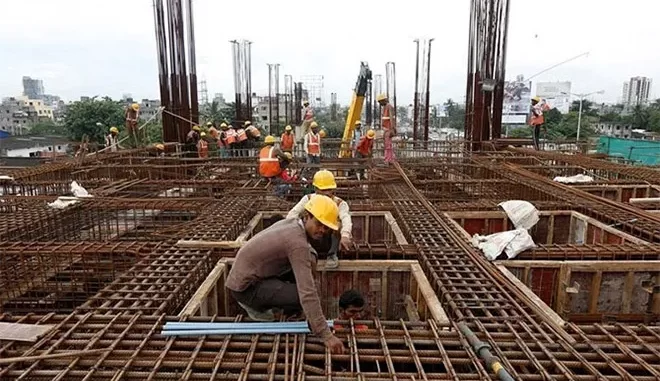
The construction industry plays a vital role in shaping modern cities, infrastructure, and economic development. From residential buildings to commercial complexes, bridges, and industrial facilities, construction is the backbone of urban growth. With rapid technological advancements and increasing demand for sustainable structures, the construction sector continues to evolve with smarter methods, advanced materials, and efficient project management strategies.
A well-planned construction process ensures durability, safety, and long-term value. Today, the focus is not only on building structures but also on creating energy-efficient, environmentally responsible, and technologically advanced infrastructure that meets modern lifestyle requirements.
Understanding the Construction Industry
Construction refers to the process of planning, designing, and building structures or infrastructure. It involves multiple stages, including project planning, design, material procurement, structural development, and final finishing. Each stage requires skilled professionals such as architects, engineers, project managers, and contractors working together to deliver successful projects.
The construction industry includes several sectors such as residential construction, commercial construction, industrial construction, and infrastructure development. Residential construction focuses on homes, apartments, and housing societies. Commercial construction involves offices, malls, and business centers. Industrial construction covers factories and warehouses, while infrastructure construction includes roads, bridges, railways, and public facilities.
Importance of Construction in Economic Growth
Construction significantly contributes to economic development and job creation. It supports various related industries such as steel, cement, electrical equipment, plumbing materials, and machinery manufacturing. The growth of construction projects directly impacts employment opportunities for engineers, architects, technicians, and skilled labor.
Infrastructure development through construction improves transportation, communication, and overall urban planning. Modern cities rely heavily on well-designed construction projects to support growing populations and business activities. Quality construction ensures long-term sustainability and improved living standards.
Key Stages in a Construction Project
Every construction project follows a systematic approach to ensure efficiency and safety. The first stage is project planning and feasibility analysis. This stage includes budget estimation, site selection, and legal approvals.
The second stage is architectural design and engineering planning. Architects and engineers prepare detailed construction drawings and structural plans that define the building layout, material specifications, and safety standards.
The third stage involves material procurement and site preparation. High-quality construction materials such as cement, steel, bricks, aggregates, and electrical components are sourced from reliable suppliers to ensure structural strength.
The next stage is structural construction, where the building framework is developed. This includes foundation work, columns, beams, slabs, and roofing. After the structural phase, finishing work begins, including flooring, painting, electrical installation, plumbing, and interior design.
Finally, the project undergoes quality inspection and safety checks before completion and handover.
Modern Technology in Construction
Technology has transformed the construction industry significantly. Modern construction projects now use advanced tools and digital technologies to improve accuracy, speed, and efficiency.
Building Information Modeling (BIM) allows architects and engineers to create detailed digital models of buildings before construction begins. This helps reduce design errors and improves project coordination.
Drones are widely used for site inspection, land surveying, and monitoring project progress. They provide accurate data and improve safety by reducing the need for manual inspections in hazardous areas.
3D printing technology is also emerging in construction. It enables faster construction of structures with reduced material wastage. Smart construction equipment and automated machinery further enhance productivity and precision on construction sites.
Sustainable Construction Practices
Sustainability has become an essential part of modern construction. Environmentally friendly construction practices focus on reducing energy consumption, minimizing waste, and using eco-friendly materials.
Green buildings use energy-efficient systems such as solar panels, natural lighting, and advanced insulation to reduce electricity consumption. Sustainable materials like recycled steel, bamboo, and eco-friendly concrete are increasingly used in construction projects.
Water conservation techniques such as rainwater harvesting and efficient plumbing systems are also integrated into modern construction designs. Sustainable construction helps protect natural resources while reducing long-term operational costs.
Challenges in the Construction Industry
Despite rapid growth, the construction industry faces several challenges. Rising material costs, labor shortages, and project delays are common issues affecting construction projects. Weather conditions and regulatory approvals can also impact project timelines.
Maintaining safety standards on construction sites is another critical challenge. Proper training, safety equipment, and strict supervision are required to prevent accidents and ensure worker safety.
Effective project management and proper planning play a crucial role in overcoming these challenges. Modern construction companies adopt advanced management tools and quality control systems to maintain efficiency and reliability.
Future of the Construction Industry
The future of construction is moving toward smart infrastructure, sustainable development, and digital transformation. Smart buildings equipped with automated systems, energy management solutions, and IoT technology are becoming increasingly popular.
Prefabrication and modular construction techniques are also gaining attention. These methods involve manufacturing building components in factories and assembling them on-site, which reduces construction time and improves quality.
Artificial intelligence and data analytics are expected to play a major role in future construction planning and project management. These technologies help predict project risks, optimize resources, and improve decision-making.
Conclusion
Construction remains one of the most important industries driving global development and urban growth. With advancements in technology, sustainable practices, and efficient project management, the construction industry continues to evolve and deliver stronger, safer, and more innovative infrastructure.
High-quality construction ensures long-lasting buildings, improved living standards, and better economic development. As cities expand and modern infrastructure demands increase, the construction sector will continue to play a key role in shaping the future of urban development and sustainable living.


Be the first to comment