

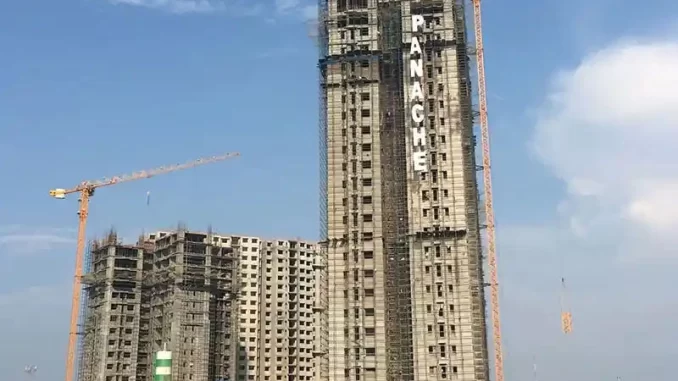
“Construction” is one of the 12 hubs at CIA World and is focused on the dynamic and ever-changing fields of buildings, infrastructures, and other related sectors. We concentrate on a diverse set of areas such as real estate developers, paints & coatings, glass & façades, pre-engineered buildings, water treatment, fire‐safety systems, construction software and finance.
This blog is about the factors that delay the Indian construction industry and how CIA World helps professionals to connect and share ideas in this area. We also discuss the importance of the allied systems in industry and how the CIA world is a platform for knowledge sharing and recognition.
Construction Industry in India: Sector Leader A diverse and expansive industry
Building or construction was traditionally
- Real Estate and Developers: residential, commercial, or mixed-use.
- Paints & Coatings: protective, decorative, intelligent coatings.
- Glass & Façades: architectural glazing, curtain walls, energy saving façades.
- Foam work & Scaffolding Temporary structures, farm equipment.
- Escalators & Elevators: the vertical transportation in high‐rise building.
- EPC and Pre-Engineered Buildings (PEBs) including Turnkey contracting, Modular building systems.
- Cement & Concrete, Water Treatment & Rain-Water Harvesting: building blocks and sustainable infrastructure.
- Pipes, Pumps & Plumbing; Fire, Safety & Security; Local Construction [1]; Construction Finance; Construction Chemicals); Steel & TMT: an unparalleled end‐to‐end offering for a modern building ecosystem.
By a complete news coverage in each of these fields, CIA World continues its mission to track the full lifecycle of the construction industry and is thus a useful tool for professionals/architects, specifiers, contractors and producers, from architectural materials to finished buildings as well as all related maintenance products.

Trend of the building industry in India
In India the legacy of transforming only four foundation materials – cement, sand, steel and manpower has suddenly given a multidisciplinary approach to building. The following issues have impacted the transition:
- Rapid Urbanisation
Based on the growing needs of the urban population in India is increasing, and thus these form one of the main reasons for constructions like residential towers, commercial complexes, affordable housing Projects logistic hub metro rail network IT parks. Cities are growing in both height and depth requiring advanced structural systems, better planning as well as novel construction materials.
- Technology Integration
Construction has finally moved into the digital realm with a majority of it no longer back-breaking. Digital technologies such as BIM (Building Information Modeling), Construction Management Software, Drone for Mapping purpose, 3D Design Simulation and IOT-based monitoring system has become a necessity for the on-time and successful execution of a project.
- Glass & Façade Systems
Architectural glazing and façade engineering has been growing in India. Contemporary buildings feature:
- Structural glazing
- Curtain-wall systems
- Aluminium composite façades
- Energy-efficient tinted glasses
- Ventilated façades
Building envelope Light and Glare Experts Back to nature Today’s skyline is significantly shaped by façades consultants, the industry and glass engineers.
- Formwork & Scaffolding
The quicker, safer and more accurate the construction process is performed, the higher the level of formwork design and equipment used. India’s adoption of:
- Aluminium formwork
- Modular scaffolding
- Tunnel formwork
- Vertical access systems
Broke the deadlock and has enhanced quality and shortened construction period for high-rise projects.
- Elevators & Escalators
As the automation required in the construction verticals is increasing, especially in high raised buildings going up strongly, and so did Elevators become an important aspect of these systems. Modern lifts now incorporate:
- Energy-efficient motors
- IoT-based predictive maintenance
- High-speed commercial elevators
- Fire-resistant shafts
- Smart escalator systems
- EPC & Pre- Engineered Construction (PEBs)
These are necessary for industrial and big projects like PEB and EPC contractors. Their capabilities include:
- Turnkey infrastructure solutions
- Steel-based modular buildings
- Logistics parks
- Warehouses
- Manufacturing plants
PEBs are fast and accurate making them perfect for quick industrial expansion happening today.
G. Cement, Ready Mix Concrete &Construction Chemicals
No construction is possible without cement and concrete. But contemporary needs ask for more sophisticated compounds, such as:
- Ready-mix concrete
- High-strength concrete
- Waterproofing admixtures
- Bonding agents
- Epoxy grouts and sealants
Building chemicals enhance longevity, lower maintenance costs, and improve the overall quality of the structure.
- Water Treatment & Recycling-
Cds/Dvds/Videos/Jewels Software For Filtering/Mains/Fire,Catching The Rain Software To Filter The Used And Catch The Rain 1 RTAL-XL LIGHTING IN THE SPOT!
Managing water in a sustainable way is particularly important, especially in urban areas. Modern construction integrates:
- Wastewater treatment plants
- Greywater recycling
- Rainwater harvesting modules
- STP and ETP systems
- Smart plumbing networks
This will help to produce water saving and eco-friendly building.
- Plumbing, Pumps & piping Systems
A sophisticated plumbing framework is what supports any functional building. Modern systems include:
- UPVC, CPVC & HDPE piping
- Booster pumps
- Pressure management systems
- Water flow automation
- Leak-resistant joints
Good plumbing is the key to a healthy life for your family and both residential and commercial space, it gives longevity to the system.
J. Fire, Safety & Security Syst
The fire safety considerations in construction are nonnegotiable. Buildings now integrate:
- Automatic sprinkler systems
- Fire alarms and detection systems
- Smoke extraction systems
- Hydrant networks
- Emergency evacuation systems
Safety engineering is important in hotels, offices, hospitals as well as in high-rise buildings.
- Steel & TMT
Steel ( TMT bars ) as a construction Material. Innovations include:
- Earthquake-resistant TMT
- Corrosion-resistant steel
- Designity findcity21-filt sup-location
The construction software and digital tools space.
Construction project management in the age of digitalisation Digitalisation has evolved into a key element for construction project management. Key tools include:
- BIM modelling
- Construction ERP
- Project scheduling software
- Cost estimation tools
- IoT-based monitoring systems
These devices add precision and remove lag time.
- Construction Finance
When it comes to big construction projects, there’s a need for sound financial planning upfront:
- Project funding
- Risk management
- Cash-flow planning
- Cost optimisation
- Investor engagement
How to Achieve Construction Project Success –
Part 2 Financial Literacy… It really does make a difference how much you know about finance
Construction Trends in India of the Future
- Smart Buildings and IoT
Buildings are becoming “intelligent” through:
- Energy monitors
- Sensor-based lighting
- Automated safety systems
- Smart HVAC
- Access control
This increases efficiency and comfort.
- Modular & Prefabricated Construction
Just some of the advantages that modular homes and pre-fabricated parts provide are:
- Faster delivery
- Factory-level precision
- Lower waste
- Cost savings
They are growing in popularity within residential and commercial markets.
- Green & Sustainable Building Materials
Low-carbon materials such as:
- Fly-ash bricks
- Recycled aggregates
- Low-carbon cement
- Bamboo-reinforced products
are picking up momentum with growing concern over the environment.
- Climate-Resilient Infrastructure
This is what India’s construction is planning for now:
- Heat resistance
- Seismic resilience
- Flood-ready structures
- Cyclone-proof buildings
Metros and coastlines are prioritizing resilience.
Significance of Knowledge Platforms in the Construction sector.
An industry that evolves quickly needs a central place in which professionals can:
- Access expert insights
- Study market trends
- Learn about new technologies
- Explore innovations in materials
- Discover emerging companies
- Participate in industry recognition programs
These platforms unite developers, contractors, architects and product manufacturers all at the same place which will eventually raise the bar for construction industry.
Final Thoughts
The Indian construction industry is on the threshold of a big transformation. Driven by material innovation, digital technologies, sustainability and engineering systems, this field has become more efficient, powerful and future-proofed. Consolidation of neighbouring industries — coatings, fire-safety, plumbing, steel, concrete, facades—software etc.—is transforming the built-environment projects of the future.
For everybody within the industry, from coming to trends and technology shifts, to updates from new material solutions and innovative systems is crucial. With skylines being rewritten, and cityscapes redesigned with technology and automation, the construction ecosystem will only continue to grow.
The future of construction is more intelligent, safer, faster and greener—and the sector is already leading the way into this new world.


Be the first to comment