

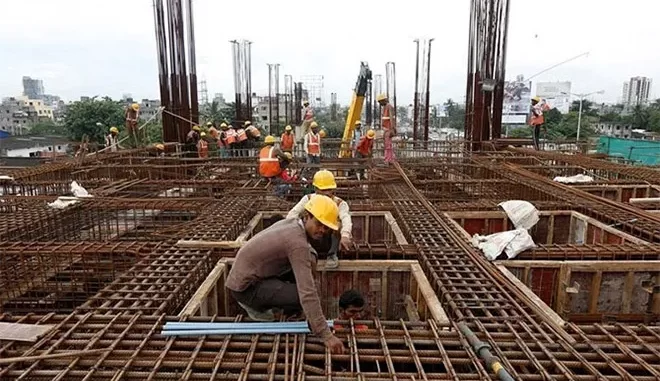
When people talk about development, growth, or progress, one thing quietly works behind the scenes — infrastructure.
It’s not always visible or exciting at first glance, but it plays a huge role in shaping how cities function, how businesses operate, and how people live their daily lives. From the roads we travel on to the internet we use every day, infrastructure is everywhere.
Without strong infrastructure, even the best ideas struggle to grow.
What Infrastructure Really Means
In simple words, infrastructure is the basic system that supports a country, city, or business.
It includes things like:
- Roads and highways
- Buildings and commercial spaces
- Electricity and water supply
- Internet and communication systems
- Transportation networks
These are not just facilities — they are the backbone of any economy.
A place with good infrastructure feels organized, efficient, and full of opportunities. On the other hand, weak infrastructure slows everything down.
Why Infrastructure Matters More Than Ever
Today, the world is moving faster than ever. Businesses are growing quickly, technology is evolving, and customer expectations are higher.
In this fast-paced environment, infrastructure becomes even more important.
Imagine:
- A business without proper roads for transport
- A company with poor internet connectivity
- A city with frequent power cuts
It directly affects productivity, growth, and overall experience.
Good infrastructure doesn’t just support growth — it accelerates it.
Infrastructure and Business Growth
For any business to succeed, it needs the right environment. Infrastructure provides that environment.
A well-developed area offers:
- Easy transportation of goods
- Better connectivity with customers
- Reliable utilities
- Access to skilled workforce
This is why businesses prefer locations with strong infrastructure.
It reduces operational challenges and allows companies to focus on expansion instead of daily problems.
Urban Infrastructure vs Rural Infrastructure
There is often a noticeable gap between urban and rural infrastructure.
Urban Areas
Cities usually have:
- Better roads and transport
- Advanced communication systems
- More commercial spaces
- Faster access to services
Rural Areas
Rural regions are improving, but still face challenges like:
- Limited connectivity
- Basic transportation issues
- Fewer facilities
Bridging this gap is important for balanced development. When rural infrastructure improves, it opens doors for new opportunities and reduces migration pressure on cities.
Modern Infrastructure is Not Just Physical
Earlier, infrastructure mostly meant physical structures like roads and buildings.
But today, it has expanded beyond that.
Now it also includes:
- Digital infrastructure (internet, cloud systems)
- Smart technologies
- Sustainable energy systems
A strong digital infrastructure is just as important as physical infrastructure in today’s world.
Businesses, education, healthcare — everything depends on it.
The Role of Technology in Infrastructure
Technology is changing how infrastructure is designed and managed.
Smart solutions are making systems:
- Faster
- More efficient
- More reliable
For example:
- Smart traffic systems reduce congestion
- Digital platforms improve communication
- Automation helps manage utilities better
This combination of infrastructure and technology creates smarter cities and better living conditions.
Sustainable Infrastructure is the Future
Development is important, but it should not come at the cost of the environment.
That’s where sustainable infrastructure comes in.
It focuses on:
- Energy efficiency
- Reduced environmental impact
- Long-term usability
- Smart resource management
Using eco-friendly materials, renewable energy, and better planning helps create infrastructure that lasts longer and supports the planet.
Challenges in Infrastructure Development
While infrastructure is essential, developing it is not always easy.
Some common challenges include:
- High costs
- Land and resource limitations
- Maintenance issues
- Rapid population growth
Planning and execution need to be strong to overcome these challenges.
A well-thought-out approach ensures that infrastructure remains effective in the long run.
How Good Infrastructure Improves Daily Life
People often don’t notice infrastructure until something goes wrong.
But when it works well, it makes life smoother:
- Shorter travel time
- Better access to services
- Reliable utilities
- Improved safety
It enhances both comfort and productivity.
Good infrastructure doesn’t just support life — it improves the quality of it.
The Way Forward
The future of infrastructure lies in smart planning, technology integration, and sustainability.
Instead of just building more, the focus should be on building better.
Key areas to focus on:
- Smart cities
- Digital connectivity
- Green energy solutions
- Efficient transport systems
When these elements come together, they create a strong foundation for long-term growth.
Conclusion
Infrastructure may not always be in the spotlight, but it is one of the most important factors behind any kind of development.
It supports businesses, connects people, and improves everyday life.
Whether it’s physical structures or digital systems, strong infrastructure creates opportunities and drives progress.
In the end, growth is not just about ideas — it’s about having the right foundation to support those ideas. And that foundation is infrastructure.


Be the first to comment